
Dilapidations
Whether we are acting on behalf of the Landlord or the Tenant, our surveyors use an honest, straightforward approach to guide you through the dilapidations process.
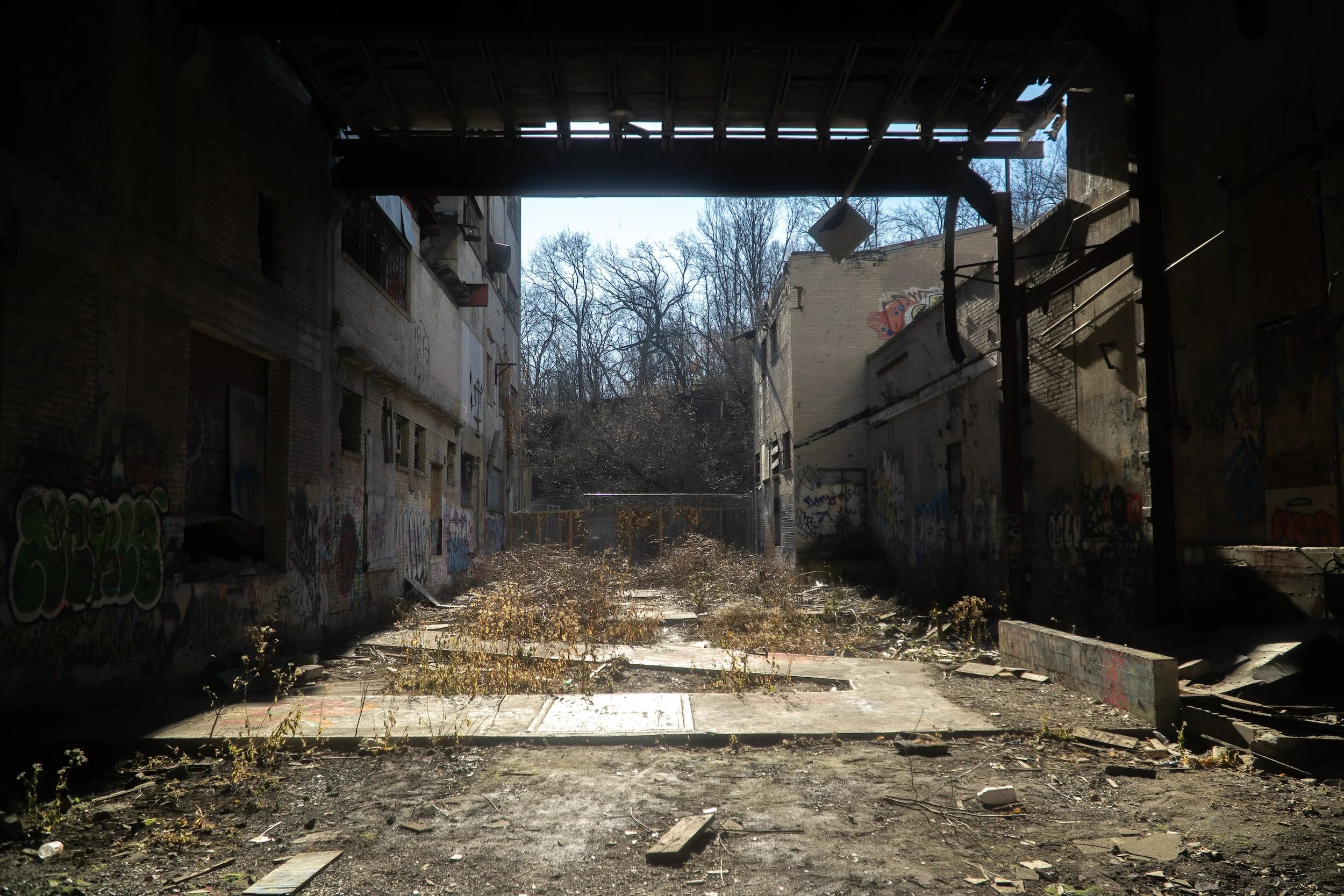
Dilapidations are essentially a claim for loss and expense. They represent the cost of returning a property to the state it was in, prior to a tenant taking occupation and are most commonly served on tenants approaching the end of their Lease, or wishing to exercise a break option.
For tenants, we understand that dilapidations claims can be extremely complex and difficult to understand. Regardless of whether you are leaving an office, retail unit or industrial warehouse, we will help you understand the requirements of your Lease, help reach an agreement with the Landlord and avoid the need for costly legal dispute.
For landlords, we’ll provide you with a bespoke, tailored service, to prevent or resolve disputes and settle them as efficiently and responsibly as possible. We can provide accurate pre-estimates of the claim and advise on the strength of different elements of the claim, through a thorough review and understanding of the Lease and other associated documents.

Schedules of Condition
A Schedule of Condition is a detailed photographic report, which details the property condition at the time of the inspection.
They are typically used either before building works commence as a record in the event of damage, or when entering a Lease, to reduce Dilapidations liability.
We can produce fast, accurate Schedules of Condition for anyone undertaking building work or taking on a new Lease.
Frequently asked questions
What are dilapidations? Dilapidations are the repairs, reinstatements and redecoration works that a tenant is required to carry out under the terms of their lease — typically at or before the end of the tenancy. If the tenant fails to carry out these works, the landlord can make a claim for the cost of doing so.
What is a schedule of condition? A schedule of condition is a detailed photographic and written record of a property’s condition at the start of a lease. It is annexed to the lease and limits the tenant’s repairing obligations to the condition recorded at the outset — protecting tenants from being held responsible for pre-existing defects.
I’ve received a dilapidations schedule — what should I do? Don’t ignore it and don’t simply pay what’s demanded. Many dilapidations claims are overstated. Contact us as soon as possible — we’ll review the schedule, advise on your liability, and negotiate on your behalf to reach a fair settlement.
Can you act for both landlords and tenants? Yes — we have extensive experience acting for both sides. We cannot act for both parties in the same dispute, but we regularly represent landlords and tenants across different instructions.